


The Fascinating History of Shalfleet Manor
- thechapeliow
- Jul 11, 2025
- 3 min read
Just a stone’s throw from The New Inn, nestled behind mature trees and beautifully kept gardens, sits Shalfleet Manor — a quiet, elegant presence that has stood witness to nearly a thousand years of Island history.

A House of Many Centuries
The current house, built in the early 1600s, is a rich blend of architectural styles that tell the story of its layered past. From its stone mullioned windows upstairs to the graceful Georgian sash windows below, Shalfleet Manor is a physical timeline of craftsmanship and change.
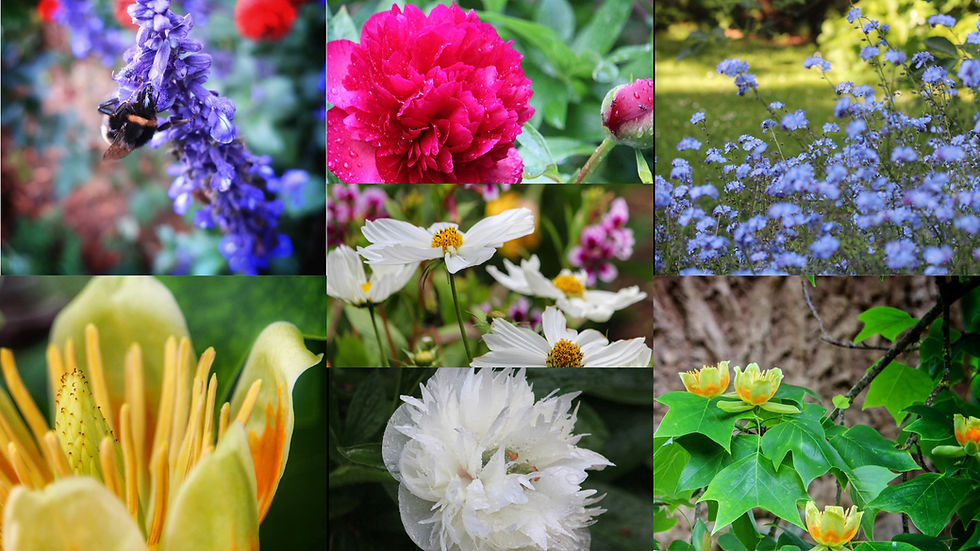
In the garden grows what may be the oldest Tulip Tree on the Isle of Wight — a living symbol of the estate’s longevity and legacy.

Royal Connections & Early Lords
Long before the house was built, the Manor of Shalfleet was already a site of significance. The earliest recorded landowner was Edric, during the reign of Edward the Confessor. After the Norman Conquest, William I rewarded his loyal follower Gozelin, son of Azor, by granting him the land.
One notable family, the Trenchards, made headlines in the 12th and 13th centuries with accusations of poaching, cattle raids, and general lawlessness — making the Manor’s past as colourful as it is historic.
In a surprising twist of royal intrigue, lands from Shalfleet were used to help fund the living expenses of Anne of Cleves, the fourth wife of Henry VIII, after their marriage was annulled. Funds flowed via Bisham Priory to support her life at Richmond until her death in 1557.

Prosperity, Progress and Village Life
In the late 1500s, the Worsley family of Appuldurcombe acquired the estate, and either in 1630 or 1680, the current Manor house was constructed — a reflection of a prosperous time for farming and trade across the Island.
By 1780, the estate had passed through the Barrington family and, later, via marriage, to the Simeons of Swainston Manor. In 1923, Sir John Simeon brought Shalfleet Manor into the modern era by taking up residence.

The Oak Panelled Room
The oak fire surround at Shalfleet Manor is an exquisite and well-preserved example of early-17th-century interior decoration. With its carved grotesque mask motifs, Tudor roses, Corinthian columns, and rich oak panelling, it beautifully complements the stone hearth and adds to the manor’s timeless elegance.

Local Memories: Jane’s Jottings
To many in Shalfleet, the Manor is more than a historical landmark — it’s part of the village's personal story. Local resident Jane Bull, born in 1923, shared heartfelt memories from her childhood, when her father worked as the Manor’s gardener for Major and Mrs. Cunningham in the 1930s.
Back then, the driveway led directly behind The New Inn, and the front garden featured tennis courts, a large kitchen garden, herbaceous borders, and even a greenhouse with a peach tree.
Jane remembered her father’s wide-ranging duties: gardening, polishing shoes, and preparing game for the kitchen. Inside the Manor, the Cunninghams employed three indoor staff, including a cook known as Mrs. Langham — an honorary title that signified her authority, despite not being married.
Jane’s family were often brought in to help with dinner parties, special events, and the annual Boxing Day servants’ Christmas dinner, a cherished tradition held in the Manor’s large kitchen.
A Manor for Today
Today, Shalfleet Manor remains at the very heart of the village — closely connected to both Shalfleet Church and The New Inn. Now owned by Victoria Bonham Christie, the house welcomes guests seeking a tranquil retreat steeped in history and timeless elegance.
Interested in visiting or staying at Shalfleet Manor?Step back in time and experience its charm for yourself.👉 Visit www.shalfleetmanor.com to learn more or book your stay.


Thank you for the comprehensive synopsis. A poll indicates that the importance of interactive digital services is growing. If you'd want further information, you may find it on the website. The essay effectively captures the nuances of this evolving profession in an impartial manner.